Casting gloves: do you need them, and how to pick a size
Casting gloves protect your hands from braid cuts, sun and the rub of a reel handle on long lure-casting sessions. What they do, when they are worth it, fingerless versus full-finger, and how to choose a size that fits.

You do not need casting gloves for occasional bait fishing. They are worth having if you cast lures on braid for hours, fish in strong sun, or fight fish by hand on a heavy drag. A good casting glove guards your casting finger and palm against line cuts and blisters, and leaves your fingertips free for knots.
Quick answer
- Who needs them: anglers casting lures on braided line, popping and jigging, long shore sessions in sun, and anyone who has had a braid cut on their index finger.
- What to look for: a reinforced index finger and palm, quick-drying breathable fabric, cut fingertips, and an adjustable wrist strap.
- How they should fit: snug across the palm with no loose fabric at the fingers. You should be able to make a fist and tie a knot without the glove bunching up.
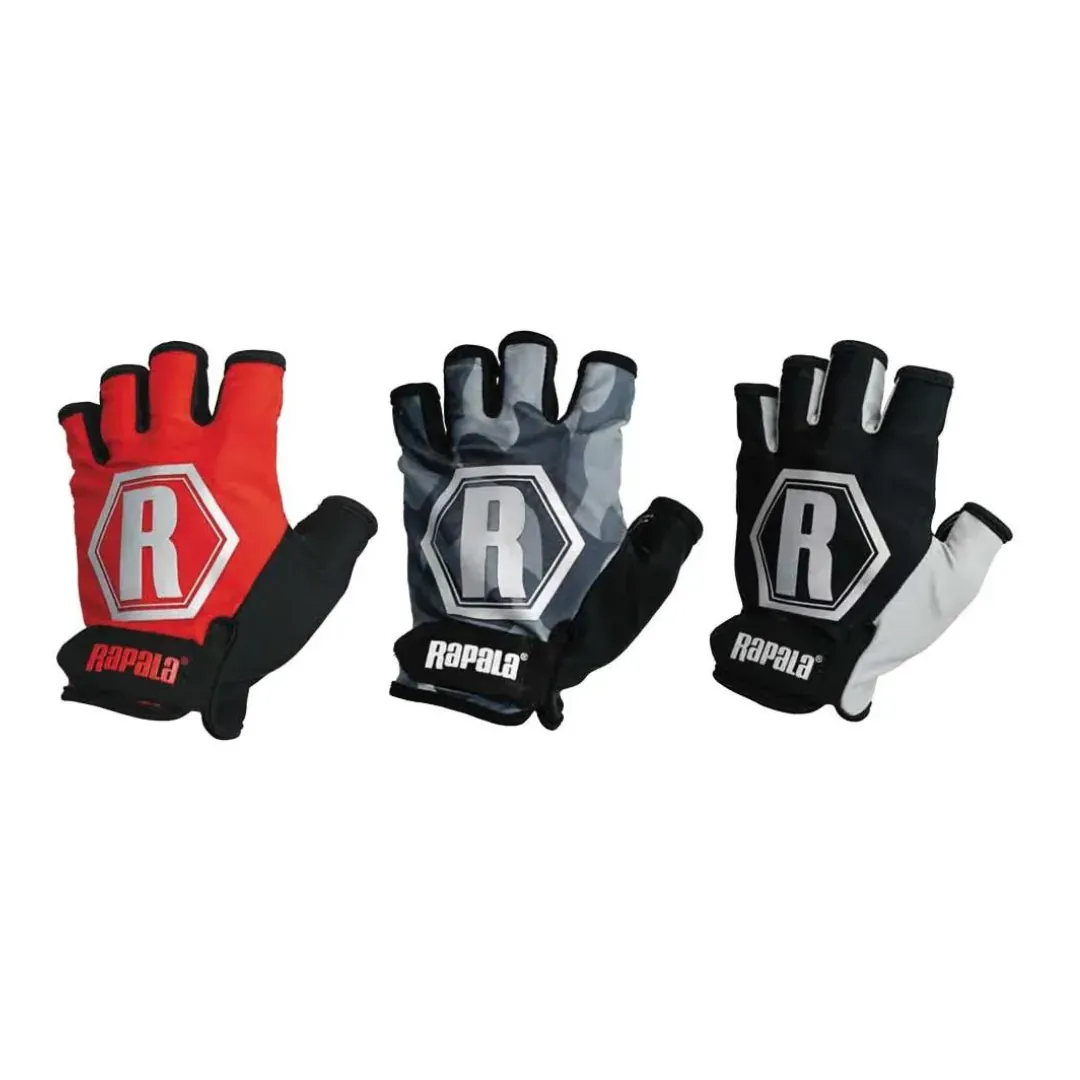
- On our shelf: Rapala Tactical Casting Gloves in S/M, M/L and L/XL.
"Do I really need gloves to fish?" is a fair question, and we hear it at our Udupi counter. For a lot of fishing the answer is no. For some styles, though, a pair of gloves makes the difference between fishing all day and stopping early with a sore finger. This guide explains which is which.
What do casting gloves actually do?
Casting gloves have three jobs:
- Protect your casting finger. On a spinning reel, you hold the line on your index finger before you release a cast. Braid is very thin and has almost no stretch, so a hard cast with a heavy lure can cut or burn the skin at that point, especially when the line is wet and gritty with salt.
- Stop blisters and rubbing. Hundreds of casts and retrieves rub your palm and fingers against the rod grip and reel handle. Gloves spread that wear.
- Keep the sun off. On a boat or an open beach, the backs of your hands catch a lot of sun. Fabric covers them where sunscreen washes off.
They also help your grip on a wet rod, and on a leader when you bring a fish close. They are not cut-proof gloves for handling teeth or filleting, so use proper tools for those jobs.
Do you need casting gloves?
It depends on how you fish:
| How you fish | Need gloves? | Why |
|---|---|---|
| Occasional bait fishing with mono from a jetty | Usually no | Light casts, stretchy line, short sessions |
| Lure casting on braid from rocks or beaches | Yes, recommended | Repeated hard casts on thin, low-stretch line |
| Popping and casting heavy lures for giant trevally | Yes | Heavy lures, heavy braid, high drag |
| Jigging from a boat | Yes | Constant line contact and rubbing on the handle |
| Long days on an open boat in summer | Helpful | Sun on the backs of your hands |
| Freshwater fishing with light lures | Optional | Lighter line and lures. Comfort and sun |
The pattern is simple. The thinner and stronger the line, the heavier the lure, and the longer the session, the more gloves help. If you have moved from mono to braid, see our guide to choosing fishing line. Your finger will notice the difference before you do.
Fingerless or full-finger casting gloves?
Most casting gloves are fingerless, with the fingertips cut away. That gives you the feel to tie knots, open snap clips, change lures and feel the line, while the glove still covers your palm and the base of each finger.
Full-finger gloves cover everything, so they protect more from sun and rubbing, but you have to take them off for fiddly jobs. Some anglers wear a full-finger glove on the rod hand and fingerless on the reel hand.
| Fingerless (cut fingers) | Full-finger | |
|---|---|---|
| Knots and lure changes | Easy with gloves on | Usually have to take them off |
| Line feel | Good | Reduced |
| Sun protection | Palm and backs of hands | Whole hand |
| Breathability in heat | Better | Warmer |
| Best for | Lure casting, all-round shore fishing | Heavy jigging, full sun, handling leaders |
In Indian coastal heat, most anglers prefer fingerless.
What should you look for in a casting glove?
- Quick-drying, breathable fabric. Your hands will get wet. A glove that stays soaked is uncomfortable and rubs more.
- A reinforced index finger and palm, where the line and rod rub most.
- An adjustable wrist, usually a Velcro strap, so the glove stays in place and does not twist as you cast.
- Cut fingertips if you want to keep the feel for knots.
- A size that actually fits (see below). A loose glove bunches up and rubs, which defeats the point.
 Rapala Tactical Casting Gloves₹1,154View Product →
The Rapala Tactical Casting Gloves tick the practical boxes. They are made from breathable, quick-drying material, have a five-finger cut so your fingertips stay free, and close with an adjustable Velcro wrist. They are designed for everything from offshore to shore fishing. We stock them in S/M, M/L and L/XL, in black, red and grey camo.
How do you pick the right glove size?
Casting gloves should fit snugly. A loose glove rubs and slips, and a tight one restricts your grip and gets hot.
To find your size:
- Measure around your palm. Wrap a soft tape measure around your writing hand just below the knuckles, not including the thumb. Keep the hand flat and relaxed.
- Measure your hand length from the crease of your wrist to the tip of your middle finger.
- Compare with the size chart on the pack, or message us with your measurements and we will check them against the gloves in stock.
A few fitting rules of thumb:
- Between two sizes? With a Velcro wrist, most people are comfortable in the smaller size, because the strap absorbs the difference at the wrist. If your palm measurement is at the top of a range, take the larger one.
- Split sizes (S/M, M/L, L/XL) cover a broad range of hands, so a split size often fits people who are between standard sizes.
- Make a fist and grip a rod handle. The fabric should not pull tight across the knuckles or wrinkle in the palm.
- Check the finger ends. The cut ends should sit around the middle knuckle of each finger, so you can still pinch a hook or a line.
How do you care for fishing gloves in salt and humidity?
- Rinse in fresh water after every saltwater trip. Salt left in the fabric stiffens it and chafes your skin.
- Dry in the shade, not in strong sun, which fades and weakens the material. Do not leave them balled up in a damp bag, especially during the humid monsoon months.
- Open the Velcro and clear sand and fluff from the hooks so the strap keeps holding.
- Wash by hand with mild soap now and then to remove fish slime and sunscreen.
What else protects your hands and eyes while casting?
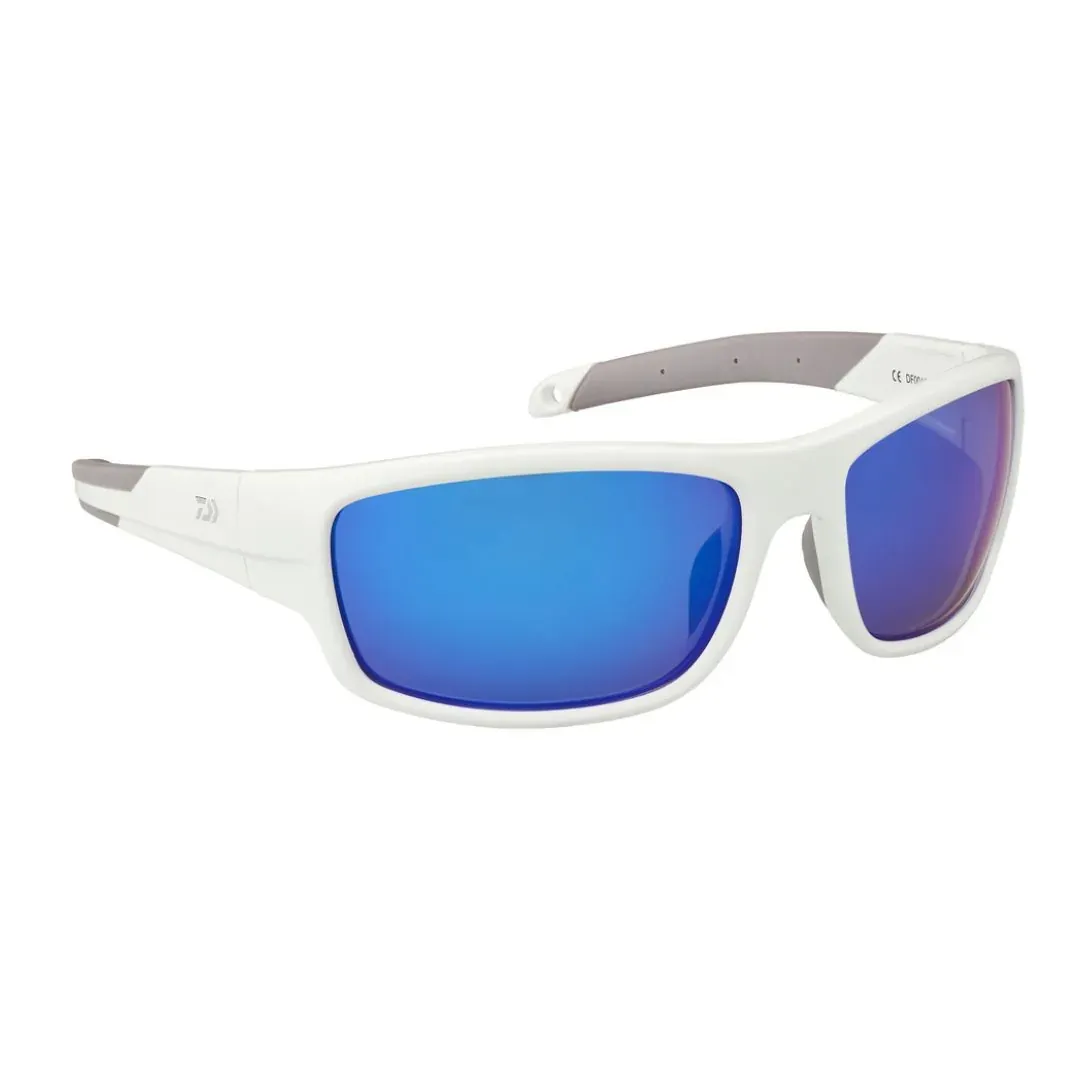
Gloves are one part of a sun-and-safety kit for coastal fishing. Polarised sunglasses cut glare off the water, which helps you spot fish and structure, and they protect your eyes from a lure on a bad cast. See Daiwa White Revo polarised sunglasses, which carry UV protection up to 400 nm.
FAQ
Do professional anglers wear casting gloves?
Many lure and offshore anglers do, especially when popping, jigging or casting braid for long sessions. It is a matter of comfort and protection rather than a rule.
Can braid really cut your finger?
Yes. Braid is thin and does not stretch, so a hard cast with a heavy lure, or a fish pulling line through your fingers, can cut or burn your skin. A glove with a reinforced index finger prevents most of this.
Are fingerless gloves enough for sun protection?
They cover the palm and the backs of your hands, which take most of the sun. Your fingertips stay exposed, so use sunscreen on them, or choose full-finger gloves for very long days in full sun.
Which hand should I wear a casting glove on?
Ideally both. If you wear only one, wear it on the hand whose index finger holds the line while you cast. On a spinning reel, that is usually the hand holding the rod.
How do I know if my casting gloves are too big?
If the fabric wrinkles in your palm when you grip the rod, or the glove twists when you cast even with the strap tight, it is too big. Go down a size.
Related products
₹1,154
₹1,950
₹2,560